
Integrating Aromatherapy, Air Quality & Humidity Sensors into Smart Wellness Routines

Smart wellness routines are evolving as homeowners look for ways to improve how their spaces feel, smell, and support overall comfort. Aromatherapy, indoor air quality tracking, and humidity sensing can work together to create a healthier environment.
These tools have become central to routines that focus on mood, comfort, and indoor freshness. They also help people understand the real conditions in their living spaces through continuous environmental monitoring.
This blog will cover how each of these technologies works individually and how they can be combined to create a balanced, smart wellness environment.
Understanding How Smart Wellness Ecosystems Work Together
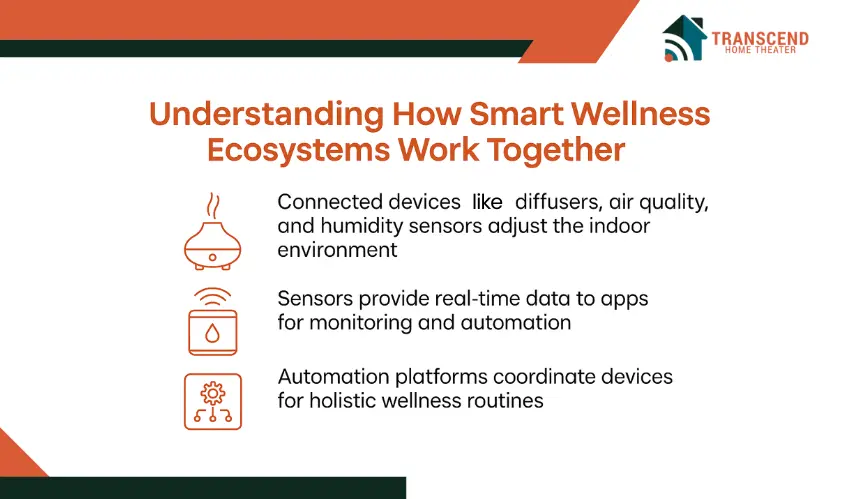
Smart wellness setups rely on connected devices that observe, adjust, and enhance the indoor environment. Users exploring this topic often want a clear explanation of how different tools coordinate through sensors, apps, and automation platforms.
What Are the Core Components of a Connected Wellness Routine?
A connected wellness routine typically includes essential oil diffusers, indoor air quality monitors, and humidity sensors that feed real-time data into a smart home app. These devices help maintain a healthier environment by tracking elements such as VOC levels, particulate density, temperature shifts, and relative humidity.
Each component communicates through Wi-Fi, Bluetooth, Zigbee, or Matter technology, allowing the system to adjust environmental conditions automatically or through user-defined routines.
How Do These Wellness Devices Communicate Inside a Smart Home Ecosystem?
Most wellness devices connect through a central hub or mobile platform that manages data flow and automation commands. The system collects readings from sensors, interprets trends, and activates the appropriate device when conditions meet a certain threshold.
For example, an app may increase diffuser output when the room’s atmosphere becomes stagnant or notify the user when humidity levels affect indoor comfort.
Device interoperability ensures smoother communication across ecosystems and prevents conflicts between multiple brands or control platforms.
Why Does Integration of these Wellness Devices Improve Wellness Outcomes?
Integration helps users experience more consistent comfort since data-driven automation removes guesswork. When devices operate together, the system can support mood-focused routines, environmental freshness, and balanced indoor conditions.
The combined approach also improves monitoring accuracy because air quality sensors and humidity sensors can verify changes in the environment after aromatherapy sessions or ventilation adjustments. This creates a more responsive indoor wellness experience that adapts to daily habits and environmental shifts.
The Science Behind Aromatherapy and Indoor Air Interaction
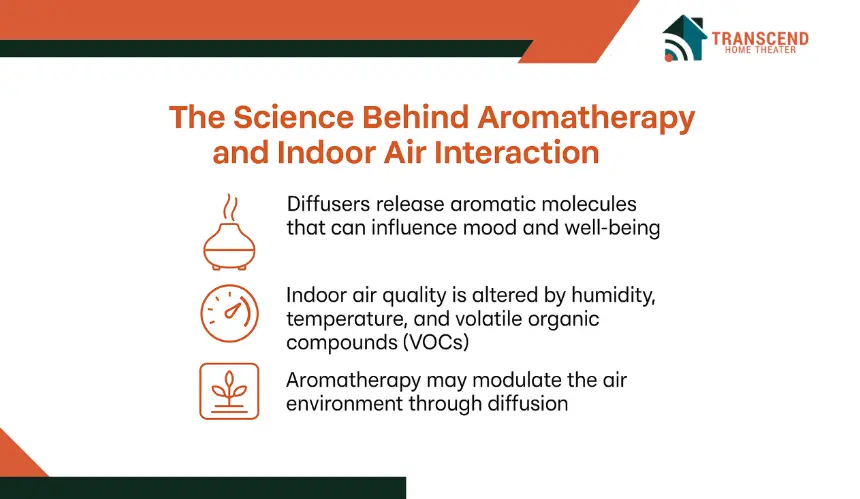
Aromatherapy works through the body’s scent pathways, where aromatic compounds travel from the nose to the brain areas responsible for emotional and physical responses.
Different essential oils influence relaxation, focus, or alertness based on how their natural compounds stimulate these pathways. This is the basic mechanism that allows scent-based wellness practices to support mood and comfort.
Indoor conditions shape how these scents behave in a room. Airflow patterns, ventilation, and moisture levels determine how evenly aromas spread and how long they remain noticeable.
Essential oil particles disperse, linger, or fade depending on the room’s air movement and humidity profile. These environmental characteristics create the foundation for understanding how sensors and smart devices later optimize wellness routines through real-time adjustments.
Air Quality Sensors and Their Role in Wellness
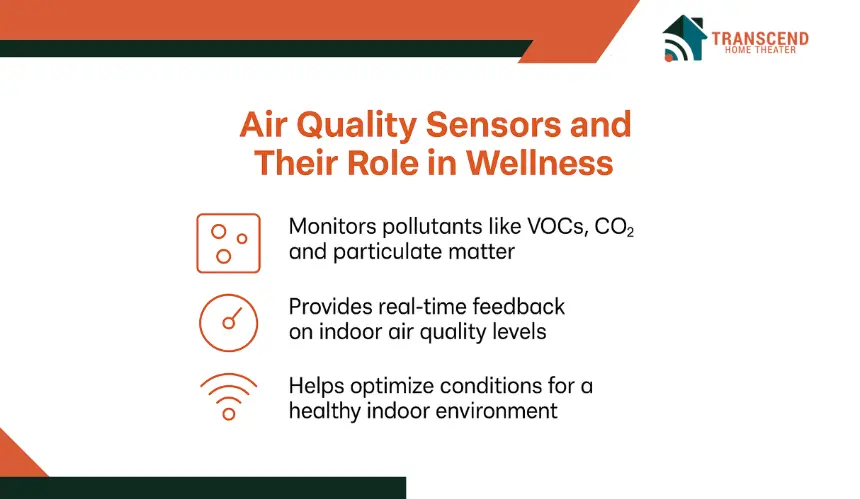
Air quality sensors help users understand the condition of the air they breathe by tracking elements that are not always noticeable. These devices measure factors such as particulate levels, VOC concentration, and changes in carbon dioxide.
Their readings give users a clearer picture of how indoor environments shift throughout the day and how certain activities influence air freshness.
These sensors support wellness by identifying when air becomes stagnant, contaminated, or uncomfortable. Real-time data allows users to see patterns that may affect breathing comfort or overall indoor atmosphere.
Air quality monitors provide the baseline awareness needed before integrating them into a full wellness automation system.
Common Air Quality Sensors Used in Indoor Wellness Setups
Several sensor types are commonly used to monitor indoor conditions.
- PM2.5 and PM10 sensors measure fine and coarse particulate matter, which helps users understand the level of airborne particles that may influence breathing comfort.
- VOC sensors detect chemical emissions from household products, furniture, and daily activities, providing insight into how fresh or polluted the space feels.
- CO₂ sensors track changes in carbon dioxide levels, which can affect concentration and room stuffiness.
Together, these sensors offer a balanced understanding of indoor air conditions and help users identify when adjustments may be needed.
Humidity Sensors and Moisture Balance in Indoor Wellness
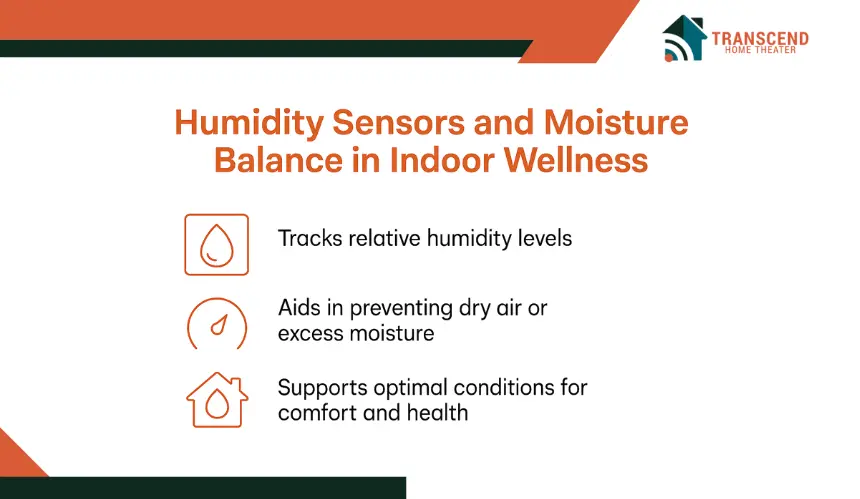
Humidity sensors track the moisture levels in a room to help maintain a comfortable indoor environment. These sensors monitor relative humidity and identify when air becomes too dry or too damp, which can influence breathing comfort, skin hydration, and the general feel of a space.
Their readings provide clarity on how fluctuations occur throughout the day and how indoor activities affect moisture levels.
By identifying these shifts, humidity sensors help users understand when their environment begins to drift away from ideal comfort ranges. This awareness forms the basis for creating stable wellness conditions before any automation is applied.
Their role becomes especially important once combined with aromatherapy tools and air quality data, which will be explored in the integration section.
How Aromatherapy, Air Quality Sensors, and Humidity Monitoring Work Together
A connected wellness routine becomes more effective when scent diffusion, air quality tracking, and humidity monitoring operate as a coordinated system. Users exploring smart wellness want to know how these components influence one another and how real-time data creates a more stable and comfortable indoor environment.
How Does Real-Time Sensor Data Support Smarter Aromatherapy?
Air quality and humidity readings help determine how evenly a scent spreads and how long it stays noticeable. When sensors detect stale air, rising CO₂ levels, or reduced ventilation, the system can adjust diffuser activity to maintain a balanced aroma.
Humidity readings also guide scent intensity by identifying when the air is too dry or overly moist, which influences how aromatic particles behave in a room. These insights allow aromatherapy routines to adapt automatically to environmental changes.
How Do These Devices Work Together to Maintain Indoor Comfort?
When air quality sensors detect rising pollutants or particulates, the system can shift aromatherapy settings, activate ventilation, or send alerts to improve freshness. Humidity sensors add another layer by identifying moisture levels that may reduce breathing comfort or alter the feel of the room.
The combined data ensures the environment stays within comfort-friendly ranges while maintaining a pleasant scent profile. This creates wellness routines that respond to the actual state of the room, not fixed schedules.
What Types of Smart Automations Can Enhance Wellness?
Smart homes can create routines triggered by sensor thresholds rather than manual adjustments. Users can set up morning aromatherapy sessions that activate when CO₂ levels drop, calming routines that start when humidity stabilizes, or evening sessions that adjust scent intensity when the room becomes still.
These automations make wellness experiences more consistent and personalized by aligning scent diffusion and environmental adjustments with real-time conditions rather than guesswork.
How Can Users Create Routines That Match Their Wellness Goals?
Personalized routines are built by selecting desired outcomes such as relaxation, focus, or improved nighttime comfort. Users choose specific scent profiles, sensor triggers, and timing preferences that match these goals.
For example, a calming routine may include a gentle diffuser setting paired with humidity thresholds that maintain a smooth, breathable atmosphere. A focus routine may activate brighter scents when indoor air feels stagnant or heavy.
How Do Apps and AI Tools Help Improve These Routines Over Time?
Modern wellness platforms collect environmental data and use it to suggest adjustments that match user patterns. If the system identifies times when the room feels dry, heavily scented, or poorly ventilated, it can guide the user toward more efficient settings.
Insights such as peak comfort periods or recurring air quality dips help refine routines so they become more effective each week. These recommendations support long-term consistency without requiring constant manual changes.
How Does Wellness Routine Customization of Benefit Daily Comfort?
Customized routines help create predictable comfort throughout the day by aligning scent, moisture, and air conditions with the user’s habits. Morning environments can feel energizing, while evening settings can feel calm and balanced.
Because these routines respond to environmental shifts detected by sensors, the user experiences wellness settings that feel more natural and tailored. This creates a daily rhythm that supports comfort, steadiness, and emotional ease.
Choosing Devices That Support Connected Wellness
Selecting the right devices is an important step for users who want a smooth experience when building a smart wellness routine. A smart home automation expert can offer you guidance on what features matter in diffusers, air quality sensors, and humidity trackers.
What Should You Look for in an Essential Oil Diffuser for Smart Homes?
Users benefit from diffusers that can maintain steady output, support multiple intensity levels, and connect reliably through Wi-Fi, Bluetooth, or Matter. Tank capacity, mist modes, and app control also help create a more predictable scent experience.
When evaluating options, it is useful to check if the diffuser integrates with existing platforms such as Google Home, Alexa, or Apple Home for easier routine setup.
Which Air Quality Sensor Features Matter Most for Wellness Use?
Air quality devices should offer accurate readings for particulate levels, VOCs, and CO₂. High-resolution sensors provide tighter environmental tracking, while fast update intervals help users see changes as they occur.
It is also helpful if the device includes historical data, trend graphs, and threshold alerts so users can understand air patterns without manual checking. Compatibility with automation platforms ensures smoother control once routines are created.
What Makes a Humidity Sensor Reliable in a Wellness-Focused Environment?
A dependable humidity sensor should offer precise percentage readings, stable calibration, and quick response to environmental shifts. Devices that support indoor comfort tracking often include temperature pairing, which improves accuracy across different room types.
Easy app synchronization and consistent data updates help users maintain moisture balance more effectively, especially in rooms where comfort levels tend to fluctuate.
Ready to bring your home wellness routines to a new level of comfort and control? Transcend Home Theater can help you create a customized smart environment that feels balanced, refreshing, and perfectly tuned to your lifestyle. Explore how the right setup can transform the way your space supports your wellbeing.
Frequently Asked Questions
Can smart wellness setups operate without a central hub?
Some devices can work independently through app control, but a hub improves synchronization. It helps multiple sensors and diffusers respond to shared triggers more smoothly, especially when building layered routines.
Do smart wellness devices use a lot of energy throughout the day?
Most diffusers, sensors, and monitoring devices run on low-power systems and use minimal energy. Their usage often remains steady because they rely on light electrical components rather than high-demand appliances.
Are there privacy concerns with environmental wellness data?
Smart wellness devices typically collect environmental readings rather than personal information. Users can enhance privacy by choosing platforms that offer local data processing and strong encryption features.
Can renters set up smart wellness routines without making permanent changes?
Yes, most devices are portable and wireless. Renters can place sensors, diffusers, and hubs wherever needed and remove them easily without altering walls or electrical systems.
How long do environmental sensors usually last before needing replacement?
Many sensors last several years depending on build quality and calibration frequency. Replacing filters or updating firmware helps maintain accuracy, but full device replacement is rarely needed in the short term.
Can smart wellness devices be used in outdoor relaxation areas?
Some sensors and diffusers are designed for protected outdoor spaces such as covered patios. Users should verify weather resistance and ensure the device can handle open-air conditions before setting it up outside.
Can scent diffusers be integrated with HVAC systems for whole-home coverage?
Yes, certain scent diffusion systems can connect to HVAC ducts to distribute aroma more evenly throughout a home. These systems release controlled amounts of essential oils into the ventilation stream, which helps maintain a consistent scent level from room to room.
Users should verify that the diffuser is designed for HVAC use and ensure proper placement to avoid clogging or residue buildup inside the ductwork.