
How to Optimize Room Acoustics for a Perfect Home Theater Experience in 2026
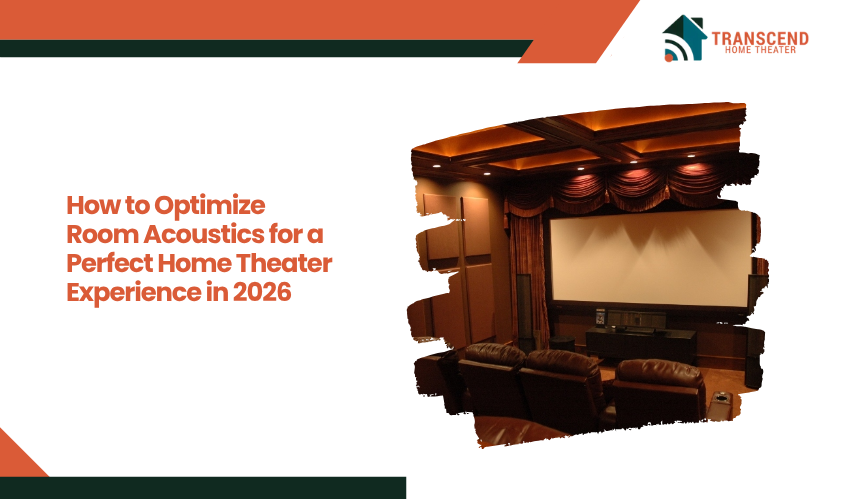
When setting up a home theater, the quality of sound is just as crucial as the visuals. Room acoustics play a pivotal role in shaping your overall viewing experience. In fact, poor acoustics can lead to muffled dialogue, overwhelming bass, or distorted sounds that detract from the cinematic experience.
This article will guide you through optimizing your room acoustics to achieve a perfect home theater setup. We will explore the factors that influence sound quality, share expert advice on acoustic treatments, and introduce modern solutions designed to transform your room into an acoustically optimized haven.
How Acoustics Impact Your Home Theater Experience
Room acoustics are often the overlooked element in home theater setups. While most people focus on the quality of their speakers or the size of their screen, the acoustics of the room play an equally significant role in delivering optimal sound.
Acoustics refer to the way sound behaves in a space, how it travels, reflects, absorbs, and diffuses across surfaces. Proper acoustics enhance clarity, reduce distortion, and create a more immersive environment.
When sound waves interact with the walls, ceiling, and floor of a room, they can either amplify or diminish certain frequencies. Without proper acoustic treatment, sounds can become muddied, and your home theater experience will suffer.
For instance, too much echo or reverberation can make dialogue hard to understand, while an imbalance between bass and treble may leave the sound feeling unnatural.
According to recent trends in 2026, acoustic design now emphasizes the use of natural and sustainable materials, alongside smart acoustic technologies like AI-driven adaptive noise control, to create immersive and balanced soundscapes in home theaters and media rooms.
What are the Factors That Influence Sound Quality in Your Home Theater?
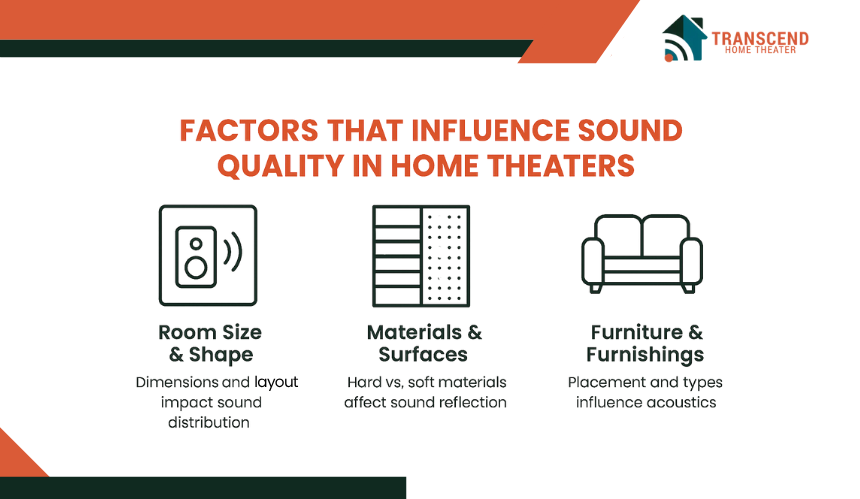
When it comes to optimizing acoustics in a home theater, several key factors contribute to the sound quality. From room size and shape to the materials used in the construction, each factor plays a role in how sound waves travel and interact within the space.
How Does Room Size and Shape Affect Sound?
The dimensions and shape of your room have a direct impact on how sound travels and is absorbed. Larger rooms with high ceilings may have more reverberation, while smaller spaces can suffer from excessive bass buildup. Irregularly shaped rooms can cause sound waves to reflect unpredictably, leading to uneven audio experiences.
Ensuring that your room dimensions align with acoustic design principles is essential for achieving balanced sound. A professional home theater acoustic optimization expert can help you assess your room’s shape and size to recommend the best configuration for optimal acoustics.
How Do Materials and Surface Types Influence Home Theater Acoustics?
The surfaces in your room, whether they are hard like wood or glass, or soft like fabric or carpet, greatly influence how sound is reflected or absorbed.
Hard surfaces reflect sound waves, which can cause echoes or unwanted reverberations, while soft materials absorb sound and help prevent these issues. Understanding the balance between reflective and absorptive materials is key to achieving optimal acoustics.
How Do Furniture and Room Furnishings Affect Room Acoustics?
While your furniture may not seem like an obvious factor, it plays a significant role in shaping room acoustics. Large pieces of furniture like couches or shelves, can absorb sound, while hard furniture surfaces, such as wooden tables or metal stands, can reflect sound waves.
Thoughtful placement of furnishings, such as using plush curtains, rugs, or upholstered chairs, can contribute to better sound absorption and help prevent acoustic problems such as standing waves.
By addressing these fundamental factors in your home theater design, you can create a room that maximizes the clarity and balance of sound, ensuring an optimal viewing and listening experience.
How to Optimize Your Home Theater Acoustics
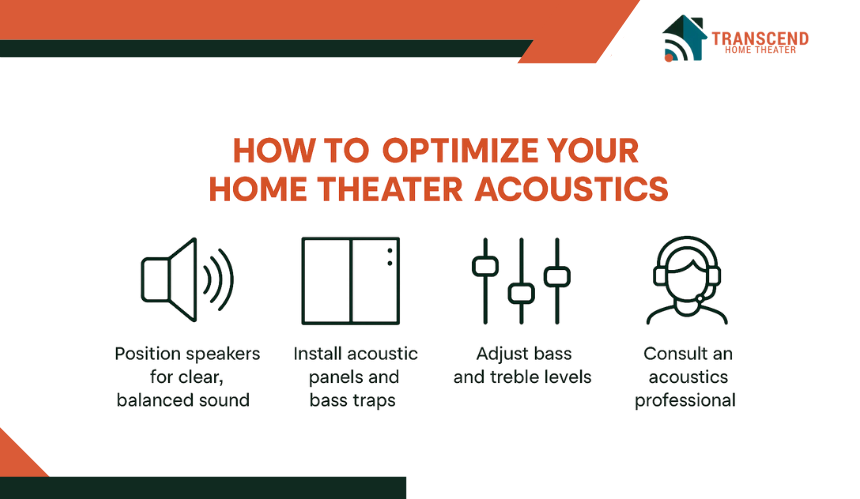
Optimizing acoustics in your home theater involves a series of practical steps that can significantly improve sound clarity and balance.
From speaker placement to acoustic treatments, every adjustment you make can contribute to achieving a more immersive and satisfying audio experience. Here are some of the most effective tips for optimizing your room’s acoustics.
Where Should You Place Your Speakers for Optimal Sound in a Home Theater?
One of the most important factors in achieving optimal sound quality is speaker placement. To ensure that your speakers produce clear, balanced sound, they should be positioned correctly within the room. Start by placing your front speakers at ear level, with the center speaker directly in front of your seating area.
Surround speakers should be positioned at an angle to provide a surround sound effect, creating a more immersive experience. In larger rooms, subwoofers may require careful placement to avoid bass buildup or dead spots.
What Acoustic Treatments Can You Use to Improve Sound Quality in Home Theater?
The right acoustic treatments can drastically improve sound quality by controlling sound reflections, reducing noise, and enhancing clarity. Installing acoustic panels on the walls can absorb excessive sound reflections, while bass traps in the corners help control low-frequency sound buildup.
Additionally, sound diffusers can scatter sound waves to create a more natural listening experience. By using a combination of these treatments, you can reduce echo and distortion, improving both the overall sound and the atmosphere in your home theater.
How Can You Balance Bass and Treble for Clearer Audio in Home Theater?
Bass and treble balance is critical to ensuring your home theater sounds natural and clear. Too much bass can overwhelm the sound, while too little can make audio feel flat. Conversely, an excess of treble can make the sound harsh and tiring to listen to.
Use an equalizer to adjust the balance between bass and treble frequencies based on your room’s acoustics and your personal preference.
If you find that the bass becomes too overwhelming, you may need to reposition the subwoofer or add additional acoustic treatment to dampen the low-end frequencies.
Should You Consider Professional Help for Acoustic Optimization of Your Home Theater?
While many acoustic improvements can be made on your own, such as adding sound panels or adjusting speaker placement, there are times when professional assistance can make a significant difference.
An expert with acoustics knowledge can provide personalized recommendations, install complex treatments, and fine-tune your setup for optimal sound.
Professionals have access to tools and technologies, such as room calibration systems, that can adjust your sound system to the room’s exact specifications.
If you’re looking for expert guidance or professional installation, Transcend Home Theater is here to help. Our team can transform your space into a fully optimized audio environment, ensuring you get the most out of your home theater setup. Contact us today to elevate your audio experience!
Common Room Acoustic Problems and How to Solve Them
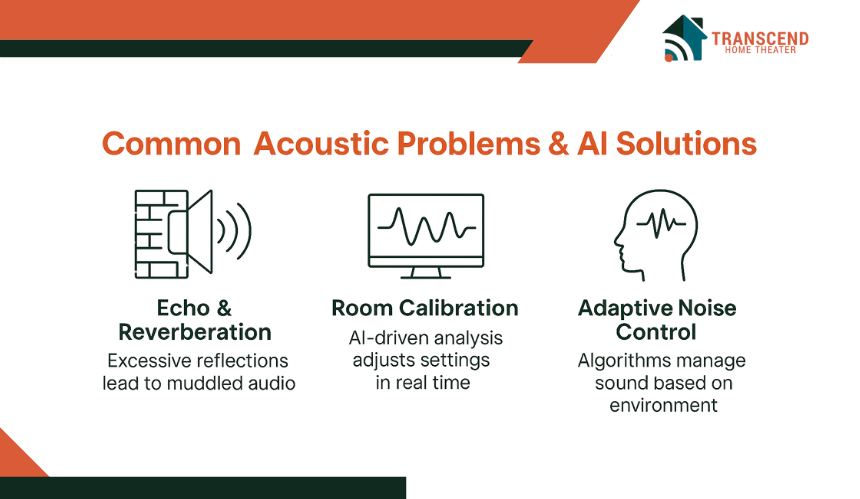
Despite your best efforts to optimize your home theater acoustics, there are still common problems that may arise. From excessive echo to bass buildup, these issues can significantly impact your listening experience.
Fortunately, many of these problems can be solved with simple adjustments or treatments. Let’s explore some of the most frequent acoustic challenges and how to tackle them effectively.
How Do You Eliminate Echo and Reverberation in Your Room?
Excessive echo or reverberation can make your home theater sound muddled, particularly when you’re watching movies or listening to dialogue-heavy content. This typically happens in larger rooms with hard, reflective surfaces like glass windows, wood floors, or bare walls.
To eliminate these issues, you can use acoustic panels on the walls and ceiling to absorb sound reflections. Adding soft materials, such as rugs, curtains, and upholstered furniture, can further reduce reverberation.
How Are AI and Adaptive Noise Control Enhancing Acoustics?
One of the most exciting advancements in home theater acoustics in 2026 will be the integration of AI-driven adaptive noise control systems. These technologies use algorithms to automatically analyze the acoustics of a room and make real-time adjustments to the sound output.
By continuously monitoring the sound environment, AI can optimize the balance of bass, treble, and other frequencies based on the room’s unique characteristics. This technology helps ensure that sound quality remains consistent even as factors such as room layout or furniture placement change over time.
With AI-powered room calibration systems, you can enjoy a dynamic, personalized sound experience without the need for constant manual adjustments.
Frequently Asked Questions
What’s the Difference Between Acoustic Panels and Soundproofing Materials?
Acoustic panels absorb sound within the room, improving clarity and reducing echo, while soundproofing materials focus on preventing sound from escaping the room or entering from the outside. Each serves a distinct purpose in optimizing home theater acoustics.
How Can I Improve Acoustics in a Small Home Theater Room?
In smaller rooms, sound reflection tends to be more concentrated. To combat this, you can focus on adding bass traps and diffusive surfaces to break up sound waves, along with placing speakers at ear level to avoid distortion.
Can I Use Smart Home Technology to Improve My Room’s Acoustics?
Yes, smart home devices like AI-powered sound systems and automated room calibration tools can analyze and adjust the acoustics of your room in real-time, ensuring optimal sound quality with minimal effort on your part.
What Role Does Room Shape Play in Acoustics?
Irregular room shapes can lead to uneven sound reflections and poor bass distribution. Optimizing speaker placement and using acoustic treatments like diffusers and absorptive materials can help compensate for room shape and improve overall sound quality.
Is It Possible to Create a Professional-Level Acoustic Experience at Home?
Yes, with the right acoustic treatments, speaker placement, and technologies like Dolby Atmos, you can create a near-professional sound experience at home. Tailoring your room’s acoustics with data-backed home theater sound design strategies is key to achieving this level of performance.
How Does Room Calibration Work with Advanced Home Theater Systems?
Room calibration uses specialized systems to adjust your home theater’s sound output according to the specific dimensions and acoustics of your room. This technology ensures the sound is balanced and clear, compensating for any issues caused by room shape, furniture placement, or speaker configuration.