
What security benefits does smart home integration offer families?
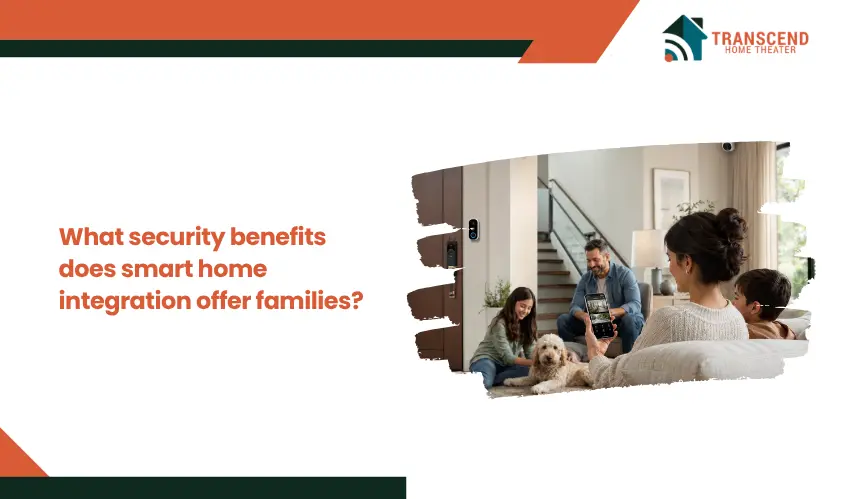
Key Takeaways:Smart home integration helps families improve security by connecting cameras, locks, alarms, sensors, and alerts into one responsive system. It reduces missed risks, speeds up verification, and makes everyday home protection easier to manage.
|
Smart home integration gives families more control over everyday security risks by connecting locks, cameras, sensors, alarms, and alerts into one responsive system. Instead of reacting after something goes wrong, integrated security creates earlier visibility, faster decisions, and fewer gaps between devices.
For families, the real value is not just convenience. It is knowing who entered the home, when a door was left open, whether motion was detected, and how quickly the household can respond. This blog explains the main security benefits smart home integration offers families and why connected protection can make daily home safety more practical.
How Smart Home Integration Changes Household Security
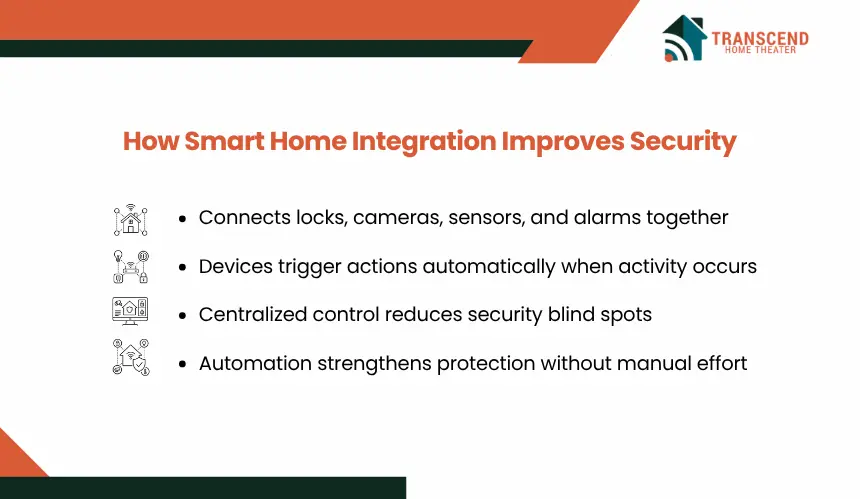
Smart home integration improves family security by turning separate devices into a coordinated protection system. When locks, cameras, sensors, alarms, and mobile alerts communicate, families gain faster awareness and stronger control over home access, activity, and risk.
From Standalone Devices to Connected Security Ecosystems
A standalone camera may record movement, and a smart lock may control entry, but each device has limited value when it works alone. Integrated smart home security connects these tools into one operating structure where activity from one device can trigger action from another.
For example, a door sensor can activate an entryway camera, a motion detector can turn on exterior lights, and a smart lock can notify parents when a child arrives home. This connected setup reduces security gaps because the system does not depend on one device or one person noticing a problem.
Interesting Fact! A 2025 ADT home security survey found that many households still rely on “safe-ish” habits, such as forgetting to lock doors or leaving security settings inconsistent, which makes automation more valuable for families trying to reduce routine-based security gaps. |
Why Centralized Monitoring Improves Response Time
Centralized monitoring gives families one place to check security activity instead of switching between separate apps or devices. This matters during urgent situations because delayed interpretation can slow down the response.
When alerts, camera views, door activity, and alarm status appear in one dashboard, families can quickly confirm what happened and decide whether to call a neighbor, contact emergency services, or remotely lock an entry point. Faster verification reduces confusion and helps prevent minor incidents from becoming larger security risks.
How Does Automation Help Prevent Security Problems?
Automation reduces the security risks caused by missed routines. Families often forget to lock doors, close garages, arm alarms, or turn on outdoor lights, especially during busy mornings, school pickups, or travel.
Smart home automation can lock doors at scheduled times, activate lights when motion is detected, and simulate occupancy when the home is empty. These actions create consistent protection patterns without relying only on memory or manual control.
Real-Time Monitoring Benefits for Families
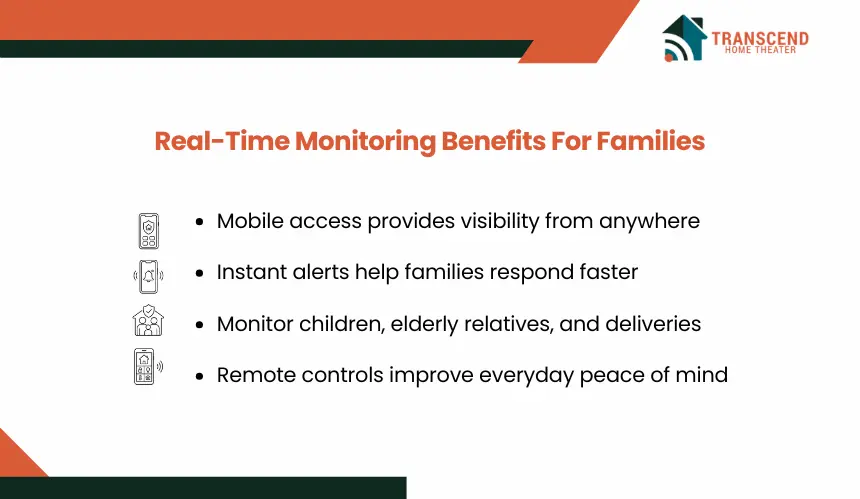
Real-time monitoring gives families immediate visibility into security events as they happen. Instead of discovering problems later, parents and homeowners can verify activity, identify risk, and respond from wherever they are.
How Does Mobile Access Improve Home Visibility?
Mobile access allows families to check cameras, locks, sensors, and alarm status without being physically present. This is useful during work hours, school runs, vacations, or late-night activity near the property.
A parent can confirm whether the front door is locked, view who approached the entryway, or check if the garage door was left open. Remote visibility turns security from a fixed home feature into an active decision tool.
Why Are Instant Threat Alerts Useful for Family Safety?
Instant alerts reduce the time between detection and action. A smart security system can notify the family when it detects forced entry, motion near a restricted area, smoke, carbon monoxide, water leaks, or abnormal door activity.
These alerts create earlier awareness before damage, theft, or danger escalates. For families, that means faster verification, quicker emergency contact, and better control during uncertain situations.
Monitoring Children, Elderly Family Members, and Deliveries
Connected monitoring supports everyday household routines without requiring constant manual checking. Door activity alerts can confirm when children arrive home, while indoor sensors may help families notice unusual movement patterns involving elderly relatives.
Video doorbells and package alerts also reduce delivery-related risks. Families can verify visitors, speak through two-way audio, and identify porch activity before opening the door or authorizing access.
Smart Home Security Features That Reduce Common Risks
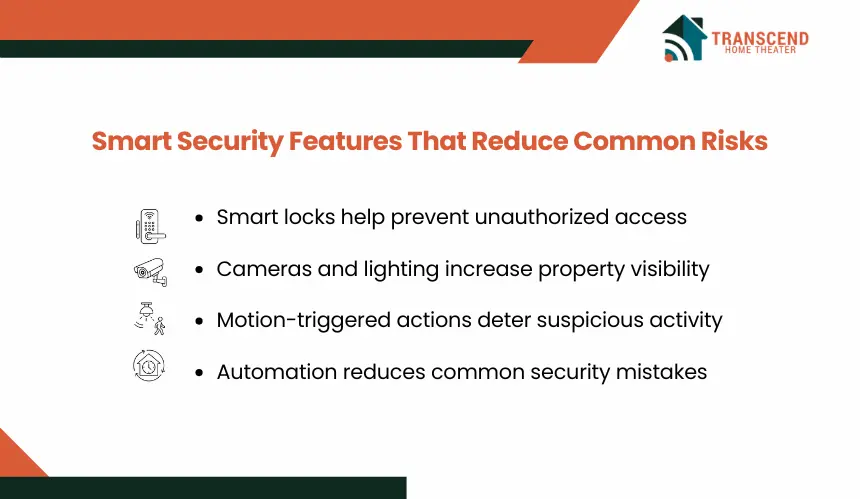
Smart home security integration lowers risk by closing the gaps that families often overlook during daily routines. The strongest benefit comes from combining access control, visibility, and automated safeguards into one connected layer of protection.
How Does Smart Security Prevent Unauthorized Access?
Unauthorized access often starts with weak entry control, shared keys, unlocked doors, or unclear visitor activity. Smart locks reduce those risks by replacing physical key dependence with controlled access methods such as temporary codes, app-based permissions, biometric entry, and scheduled access windows.
For families, this creates a clearer record of who entered the home and when. Parents can remove old access codes, create limited-use codes for service providers, and receive alerts when doors unlock. Auto-lock settings also reduce exposure after children, guests, or busy adults forget to secure an entry point.
Deterring Criminal Activity Through Visibility
Visible smart security devices can change how a property is perceived before an incident occurs. Outdoor cameras, video doorbells, motion-activated lighting, driveway sensors, and entryway surveillance create signals that activity is being recorded and monitored.
This visibility matters because many residential risks depend on low detection. When movement triggers lights, cameras begin recording, or a visitor hears two-way audio, the home becomes a less predictable target. Recorded footage also supports incident review, evidence collection, and clearer communication with authorities when needed.
Reducing Human Error in Home Security
Many family security failures come from routine mistakes rather than system failures. A garage door left open, an alarm left unarmed, a back door unlocked, or a missed visitor alert can create avoidable exposure.
Smart integration reduces those errors through reminders, status checks, and automated corrections. A connected system can notify the family when a door stays open, remind users to arm the alarm, or run evening security routines that lock doors and activate exterior lights. This turns inconsistent habits into repeatable security actions.
The Long-Term Practical Advantages of Integrated Home Protection
Integrated home protection creates lasting value by making security easier to manage, faster to verify, and more adaptable to family routines. For households across Maryland and Virginia, connected security systems are increasingly used to manage multi-entry homes, delivery activity, school schedules, and remote monitoring during travel or work hours.
Faster Emergency Coordination
Connected security systems support faster coordination because alerts are tied to specific devices, zones, and events. Instead of receiving a vague alarm notice, families can see whether the issue came from a front door sensor, smoke detector, glass-break sensor, or outdoor camera.
This detail helps homeowners verify the situation before escalating. It can also help professional monitoring teams, emergency contacts, or first responders understand the event with better context, which reduces confusion during time-sensitive decisions.
Improved Daily Convenience Without Sacrificing Security
The long-term advantage of smart integration is that protection becomes easier to maintain without adding more manual steps. Families can use routines, geofencing, voice commands, and mobile controls to manage security around real movement patterns.
In many Maryland and Virginia households, automated routines are commonly used to secure entry points after school hours, monitor package deliveries, and manage lighting while the property is unoccupied. This keeps security active without forcing families to constantly check every device.
Potential Insurance and Property Value Benefits
Integrated security can support a stronger risk profile because it reduces the likelihood of theft, delayed emergency response, and preventable property damage. Some insurance providers may consider monitored alarms, smoke detection, leak sensors, or smart security systems when reviewing home protection features.
Smart home security can also add practical property appeal. Buyers often value homes with connected access control, surveillance readiness, safety automation, and modern monitoring infrastructure because these features reduce setup effort after move-in.
Exciting Fact! Allstate notes that home security systems and monitored safety devices may help homeowners qualify for insurance discounts, especially when alarms connect to outside monitoring services that can speed emergency response. |
What Families Should Evaluate Before Choosing a Smart Security System
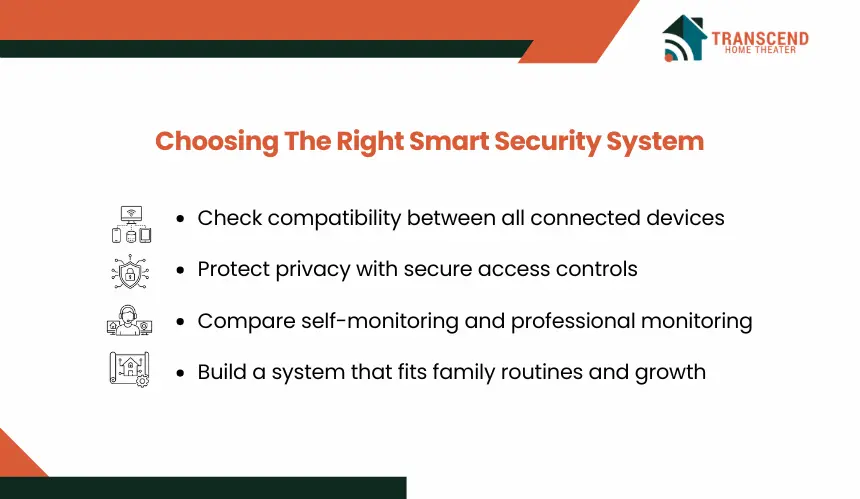
Choosing a smart security system requires more than comparing cameras, locks, and app features. Families need to evaluate how well the system fits their home layout, daily routines, privacy expectations, and long-term security needs.
Device Compatibility and Ecosystem Stability
Compatibility determines whether the system can function as one connected security network instead of a collection of disconnected devices. Families should check whether smart locks, cameras, sensors, alarms, lighting, and mobile controls can operate within the same platform or through reliable integrations.
A stable ecosystem also matters for future upgrades. A system that supports additional devices, software updates, and professional monitoring options gives families more flexibility as their security needs change.
Data Privacy and Cybersecurity Considerations
Smart security systems collect sensitive household data, including entry logs, camera footage, voice commands, user permissions, and activity patterns. Families should review how the system protects that information before installation.
Secure systems should support encryption, strong passwords, two-factor authentication, firmware updates, and controlled user access. Weak cybersecurity can turn connected protection into a privacy risk, especially when cameras, locks, and cloud storage are involved.
Professional Monitoring vs Self-Monitored Systems
Self-monitored systems give families direct control over alerts, cameras, and device activity, but they depend on someone being available to respond. This can work for households that actively check notifications and want lower monthly costs.
Professional monitoring adds a response layer when homeowners are unavailable, asleep, traveling, or unable to verify an alert. Families should compare cost, response expectations, emergency escalation, and the level of support needed for their home.
Connected Security Starts With the Right System Design
A family security system works best when the devices are planned around real household movement, not installed as separate gadgets. The right setup should connect entry control, monitoring, automation, alerts, and daily access needs into one reliable structure.
For families who want stronger protection without managing multiple disconnected tools, smart home integration creates a more practical security environment. It allows cameras, smart locks, sensors, lighting, and alarms to work together so the home can detect activity, verify risk, and support faster action.
A well-integrated system should match the property layout, family schedule, privacy needs, and future expansion plans. That makes security easier to use, easier to monitor, and more dependable over time.
If your family is ready for connected protection that fits your home instead of forcing you to manage separate devices, professional smart security planning can help you build a safer, more responsive home system.
Smarter Protection for Family Safety
Smart home integration gives families better security by connecting detection, access control, monitoring, and response into one coordinated system. The main benefit is not adding more devices, but making each device work together with a clearer purpose.
When cameras, locks, sensors, alarms, and alerts are properly integrated, families can reduce blind spots, respond faster, limit unauthorized access, and manage daily security with less manual effort. The result is a home protection system that supports real family routines instead of depending on guesswork.
If you want a safer, more connected home, at Transcend Home Theater, our smart home integration service can help your family build a security setup that is easier to control, monitor, and trust every day.
Frequently Asked Questions
Is smart home integration worth it if I already have cameras and an alarm system?
Smart home integration is worth considering when cameras, locks, sensors, and alarms are not communicating with each other. A camera may record activity, but integration allows one event to trigger another action, such as lighting, alerts, or locking. That creates faster verification and fewer security gaps.
Can smart home security systems work during internet or power outages?
Many smart security systems rely on internet access, but higher-quality setups may include cellular backup, battery backup, local device storage, or monitored alarm communication. Families should ask whether locks, alarms, cameras, and sensors keep basic security functions active during outages before choosing a system.
How can families prevent smart locks and cameras from being hacked?
Families can reduce hacking risks by using strong passwords, two-factor authentication, encrypted Wi-Fi, regular firmware updates, and separate guest networks for connected devices. Access permissions should also be reviewed often, especially after service visits, caregiver changes, rentals, or giving temporary codes to visitors.
What smart home security features are most useful for families with children?
Families with children often benefit most from smart locks, entry alerts, video doorbells, garage sensors, indoor motion detection, and remote alarm control. These features help parents confirm safe arrivals, prevent doors from staying unlocked, monitor visitors, and manage access without giving children physical keys.
Should families choose professional monitoring or self-monitoring for smart home security?
Professional monitoring is better for families that travel often, sleep through alerts, or want emergency escalation when they are unavailable. Self-monitoring can work for households that actively check notifications and prefer lower monthly costs. The best choice depends on response reliability, risk tolerance, and daily availability.