
Step-by-Step Guide to Turning Your Basement into a High-End Theater Room
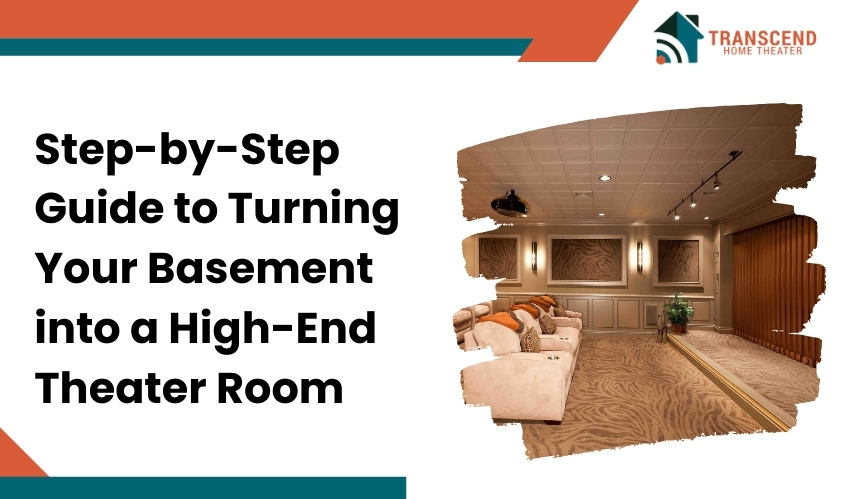
A basement is one of the most practical spaces to transform into a private theater. Its underground location naturally limits outside noise, blocks intrusive sunlight, and creates the dark, enclosed atmosphere needed for cinematic immersion.
Basements can become a dedicated retreat for family gatherings, sports screenings, and movie nights while simultaneously increasing the property’s value. This article will cover in detail the exact steps to transform a basement into a luxury theater room.
The 12 Essential Steps to Converting a Basement into a Luxury Theater
Transforming a basement into a theater room requires more than just installing a big screen and speakers. Every detail, from structural preparation to acoustic design, influences the final experience. To make the process seamless, it helps to follow a structured roadmap that covers technical requirements, design decisions, and finishing touches.
Below are 12 steps that outline how to successfully convert a basement into a high-end theater, ensuring the space is functional, immersive, and visually striking.
Step 1: Define Your Vision and Lifestyle Goals

Before any construction begins, clarify how the theater will be used. A family-focused setup may prioritize multiple seating rows and durable finishes, while a cinephile might emphasize acoustic precision and large-format projection. Determining whether the space will host gaming, sports screenings, or strictly films helps guide every decision from screen size to seating capacity.
Step 2: Assess the Structural Readiness of the Basement
A high-end theater demands specific spatial conditions. Check ceiling height for projector clearance, wall placement for speaker installation, and floor strength for tiered platforms. This is also the stage to evaluate egress requirements, HVAC ductwork positioning, and any limitations that could affect the room’s final layout. These factors are often best identified with the help of professional home cinema installers.
Step 3: Waterproof and Soundproof the Space

Moisture control is critical in basements. Apply vapor barriers, seal cracks, and install a dehumidification system to prevent long-term damage. At the same time, begin soundproofing with insulated drywall, resilient channels, and sealed doorframes to keep theater audio contained and external noise out.
Step 4: Plan Electrical and Climate Control Systems
Dedicated circuits are essential for projectors, amplifiers, and lighting without risking overload. Install sufficient outlets along walls and risers to support both electronics and seating accessories. Integrating HVAC zoning ensures the room maintains comfortable temperatures even when fully occupied.
Step 5: Engineer Acoustics for Authentic Cinema Sound
A theater’s audio experience depends on controlled sound dynamics. Use bass traps to eliminate low-frequency distortion, diffusers to balance mid-range tones, and absorption panels to reduce echo. These acoustic treatments create a balanced environment where surround sound formats perform at their peak.
Step 6: Design a Layered Lighting Scheme

Lighting determines whether the room feels like a professional theater or just a dark basement. Use ambient lighting for safe navigation, accent lights to highlight design features, and task lights near seating for convenience. Smart dimming controls allow instant transitions from pre-show ambiance to complete darkness.
Step 7: Select the Right Screen and Projection System
The screen defines the visual centerpiece. Fixed-frame models deliver professional tensioned surfaces, while retractable versions maximize flexibility. Choose between 4K/8K projectors for cinematic scale or OLED/QLED panels for sharp contrast in tighter spaces. Positioning and calibration ensure accurate color and proper throw distance.
TV vs. Projector: Which Is Better for a Home Theater?
A large-format television such as OLED or QLED delivers exceptional brightness, deep contrast, and sharp images even in partially lit spaces. These displays are more straightforward to install and require less calibration, making them ideal for smaller rooms where light control is challenging.
Projectors, on the other hand, excel in creating a true cinematic experience. Paired with a high-quality screen, a 4K or 8K projector can fill the entire wall with theater-scale visuals. They perform best in fully light-controlled basements, where the dark environment enhances color accuracy and depth.
For those seeking authenticity and immersion, projectors remain the superior choice, while TVs are better suited for users who prioritize convenience and versatility.
Step 8: Install a High-Fidelity Audio System
Speaker layout shapes immersion. Formats like Dolby Atmos and DTS: X create three-dimensional soundscapes when speakers are positioned strategically in ceilings, walls, and corners. Pairing them with correctly powered subwoofers ensures deep bass without overpowering the room. Every component must be tuned to the room’s acoustic profile.
Step 9: Arrange Tiered Seating for Comfort and Sightlines

Proper seating design ensures everyone has an unobstructed view. Raised platforms allow multiple rows without visual interference. Recliners with cup holders, chaise-style loungers, or custom-built theater chairs elevate both comfort and luxury. Upholstery selection also influences acoustics and room aesthetics.
Step 10: Integrate Smart Automation and Controls
Advanced theaters benefit from automation that synchronizes lighting, sound, and climate systems. Touchscreen panels, mobile apps, and voice assistants make it possible to control the entire environment effortlessly. Building in automation from the start ensures scalability as new technologies emerge.
Step 11: Personalize Interiors with Luxury Finishes
This is where the theater gains its identity. Choose from classic cinema themes with velvet walls and vintage sconces, sleek modern designs with minimalist lines, or futuristic spaces with LED accents. Every finish, from carpeting to drapery, should enhance both aesthetics and acoustic performance.
Step 12: Add Finishing Touches for the Full Cinematic Experience

Beyond the technical setup, details create the theater’s charm. A popcorn machine, beverage station, or mini bar transforms the space into a social hub. Framed posters, collectible displays, and ambient fragrance systems personalize the environment, ensuring it feels like more than just a viewing room.
Elevating Lifestyle with a Private Theater Room
Converting a basement into a dedicated theater room transforms an overlooked area into a luxury space that enhances both daily living and long-term property value.
Instead of being just another renovation, a well-designed home theater becomes a lifestyle investment that reflects personal taste and elevates the entire home.
Turn your basement into more than just extra space. With Transcend Home Theater, you’ll get expert design and flawless installation that brings true movie magic into your home. Ready to experience the difference? Let’s create your theater together.
Frequently Asked Questions (FAQs)
What is the ideal basement size for a comfortable home theater?
A dedicated theater can fit into a variety of basement sizes, but a room measuring around 12 by 15 feet is considered a good starting point. This size allows space for a large screen or projector, proper speaker placement, and at least one or two rows of seating. Larger basements naturally offer more flexibility for tiered seating platforms, bigger screens, and enhanced sound design, but even a smaller space can deliver an authentic cinema experience when the layout is carefully planned.
How can I safely manage and cool AV equipment behind the screen?
Audio and video components generate significant heat, so it is important to give them proper ventilation. A dedicated equipment closet or AV rack is the best solution. This not only prevents overheating but also keeps the main room free from clutter and wiring. Installing a small cooling fan or a quiet ventilation system ensures that amplifiers, receivers, and gaming consoles stay at a safe operating temperature, extending their lifespan and maintaining performance.
How do I combat limited ceiling height or narrow layouts?
Basements often have lower ceilings and narrower walls compared to other parts of the home. If traditional tiered seating platforms are not possible, you can use low-profile recliners or wall-hugging theater chairs that maximize comfort without taking up extra vertical space. Narrow layouts can also be optimized by choosing a screen size that fits the proportions of the room and arranging the seating in fewer but more comfortable rows. Strategic use of lighting and wall colors can help the room feel larger and more open.
How do I incorporate storage without clutter?
Storage can be discreetly built into the design so the theater maintains a sleek and organized appearance. Options include under-seat compartments, built-in wall shelving, and cabinets hidden behind acoustic panels. These solutions provide space for storing media collections, remote controls, blankets, and even snacks while keeping the focus on the screen and overall design. Custom cabinetry can also be designed to blend seamlessly with the theater’s theme, adding both function and style.
How much value does a finished basement theater add to a home?
A basement theater adds more than just enjoyment for the household; it can also increase a home’s resale value. Real estate experts often note that a finished basement can return a significant portion of its cost during resale, and a luxury feature such as a private theater makes the property more appealing to buyers. Beyond financial return, it positions the home as a lifestyle investment, offering prospective buyers something unique and memorable compared to standard living spaces.